While total championship points determine final standings, deeper performance trends reveal how consistency, race execution, and reliability shaped the 2024 season. This analysis examines the competitive gap between the top contenders and the rest of the field using points per race, podium frequency, and reliability metrics.
1. Championship Battle: Top Three Drivers
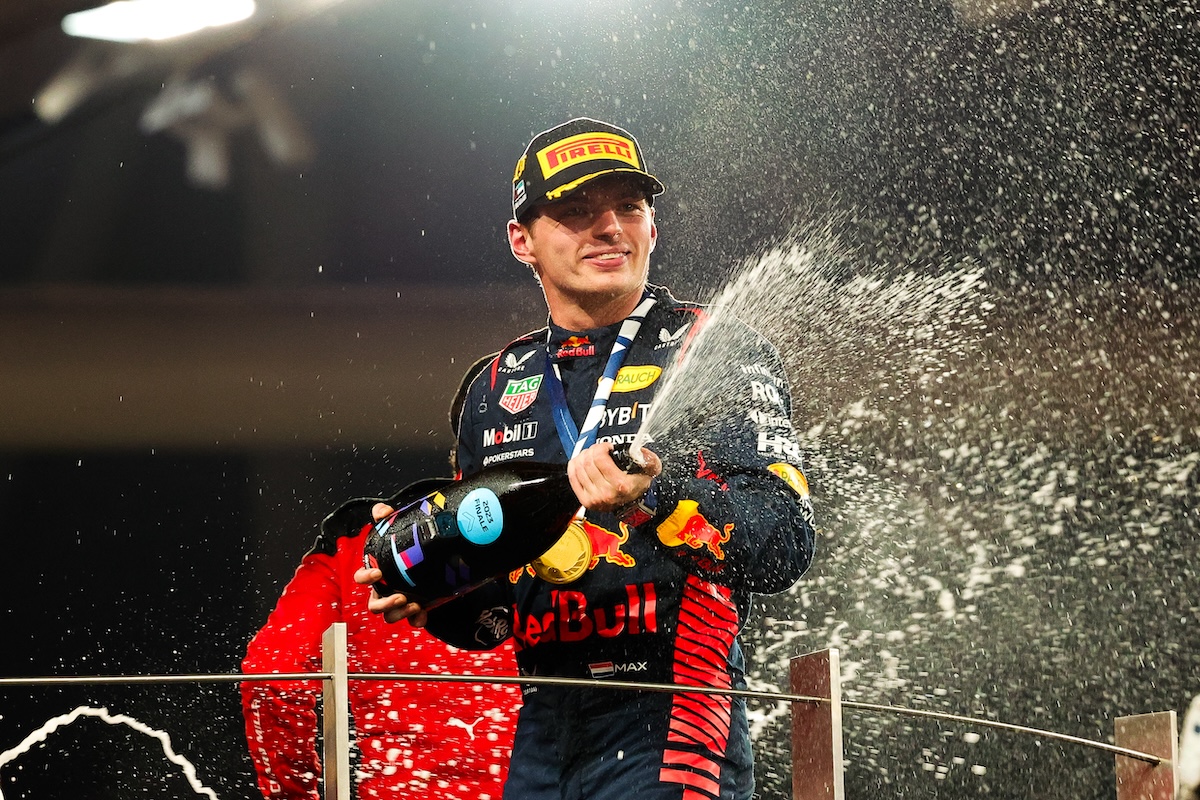
Max Verstappen finished the season with 393 total points and 16.38 points per race, narrowly ahead of Charles Leclerc (15.71) and Lewis Hamilton (15.62). While Verstappen secured more race wins (8), Hamilton actually recorded the most podium finishes (16). This highlights the difference between outright dominance and consistent top-tier performance.
The narrow gap in points per race between the top three drivers suggests that the championship battle was decided not only by wins, but by minimizing poor finishes and maintaining reliability across all 24 races.
2. Reliability and DNFs
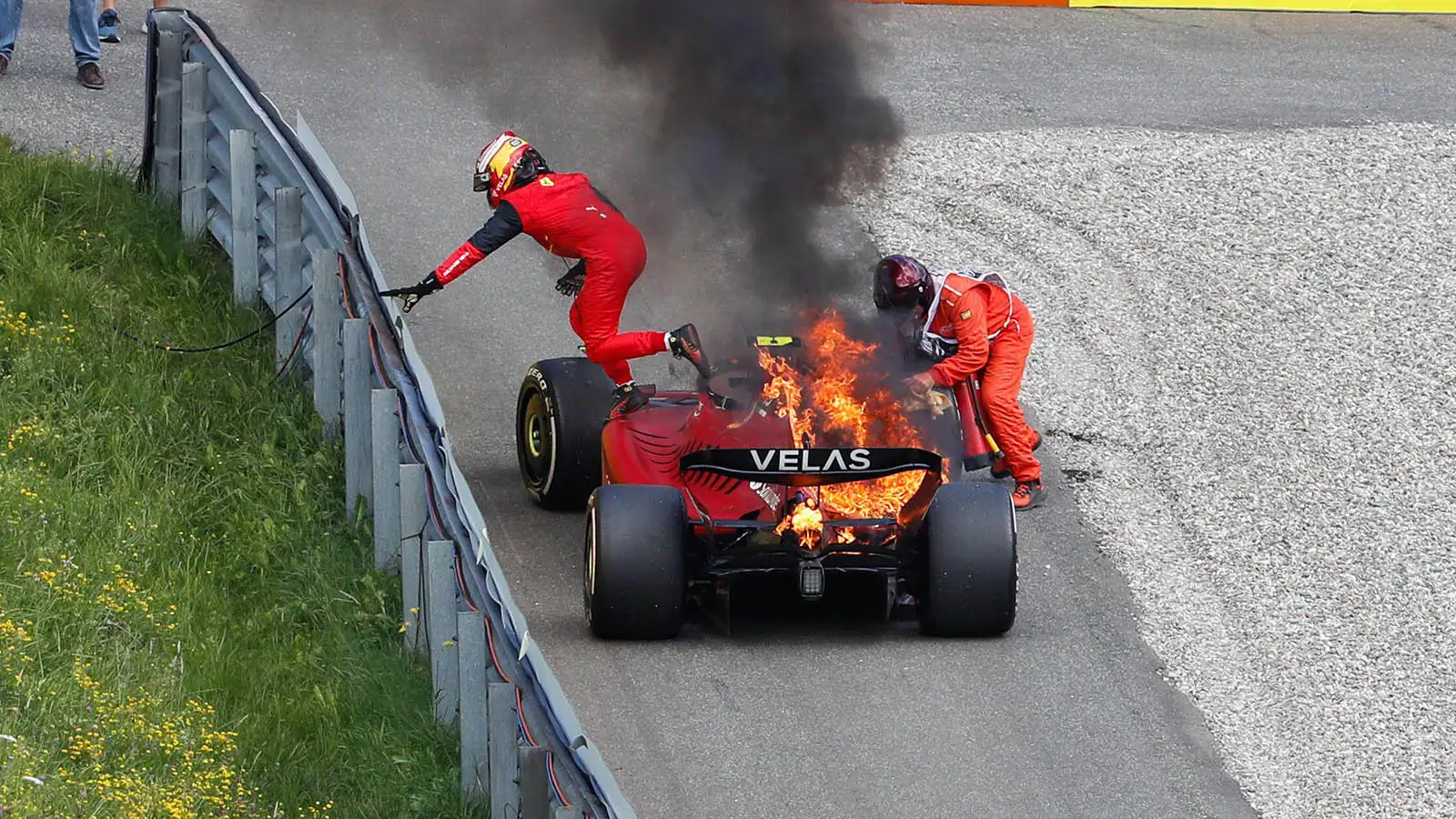
A significant pattern in the dataset is that the top six drivers recorded zero DNFs. This suggests that reliability played a major role in maintaining championship-level performance. Mechanical stability and race management prevented costly point losses.
In contrast, several lower-ranked drivers experienced multiple DNFs, which drastically reduced their points-per-race averages and overall competitiveness. Reliability, therefore, appears to be a decisive factor separating title contenders from midfield and lower-tier teams.
3. Performance Drop-Off After Sixth Place
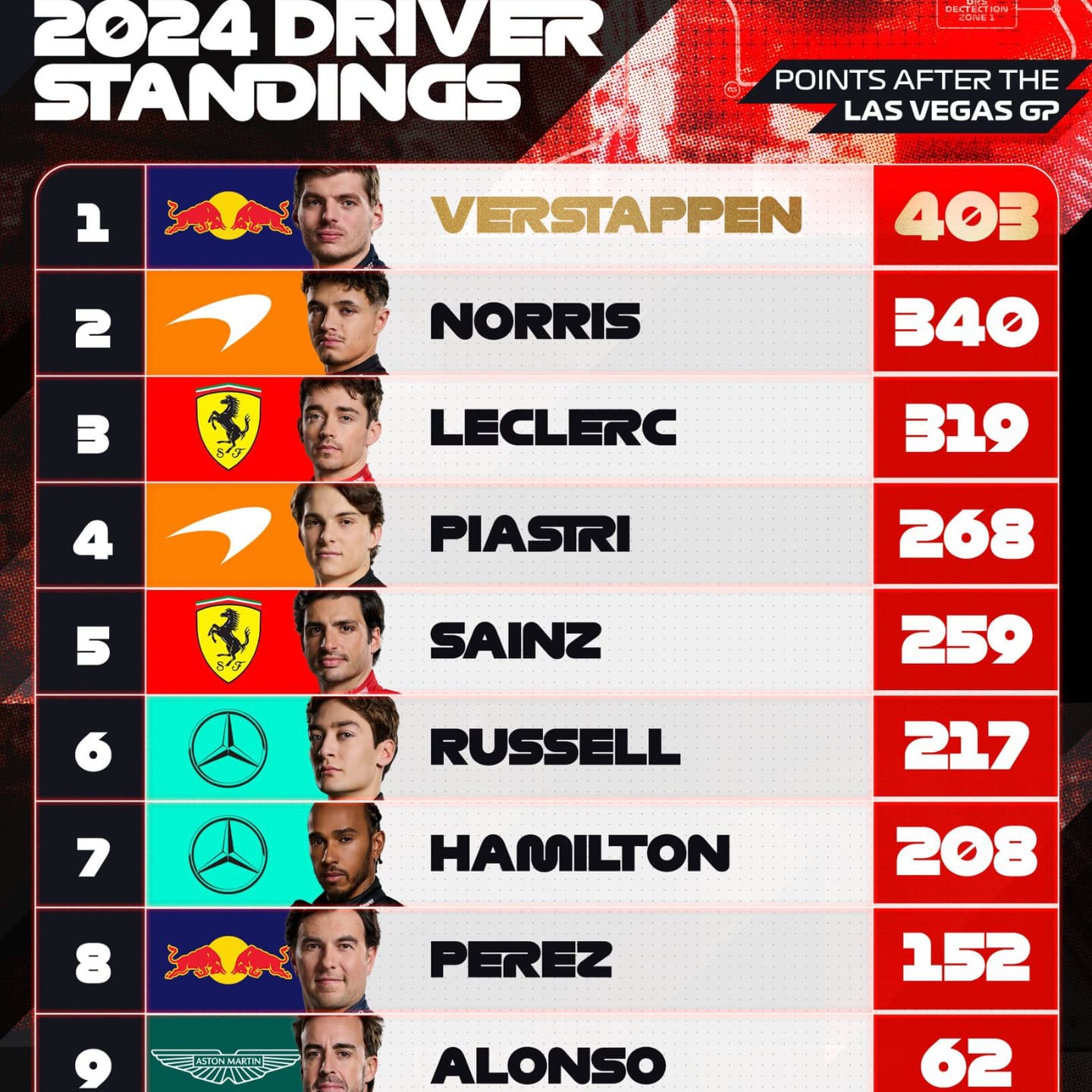
A dramatic competitive gap appears after sixth place. The top six drivers all exceeded 300 total points, while seventh place (Oscar Piastri) recorded only 64. This sharp decline indicates a clear separation between championship contenders and the rest of the field.
The points-per-race metric reinforces this gap: the top six averaged between 12.83 and 16.38 points per race, while drivers ranked seventh and below averaged under 3 points per race. This disparity reflects structural performance differences between leading constructors and midfield teams.
4. Wins vs Consistency
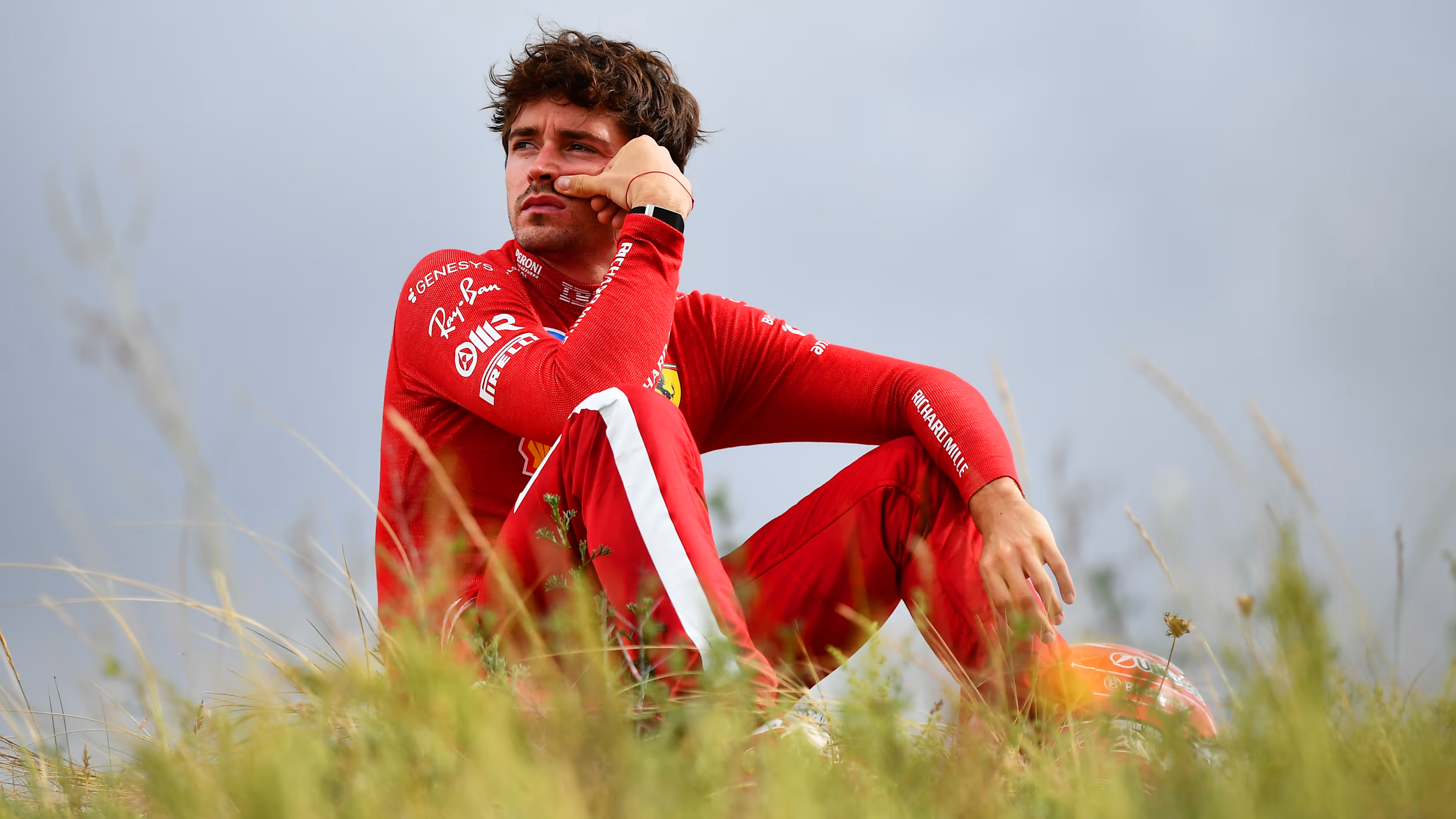
Although race wins attract the most attention, they do not fully explain championship outcomes. For example, multiple drivers recorded similar total wins, yet differed significantly in points per race due to podium frequency and race completion.
This demonstrates that Formula 1 championships are won not just through peak performances, but through minimizing risk and sustaining high finishes across an entire season.